The Real Environmental Impact of Paper Receipts
Paper receipts seem harmless, but the numbers add up fast — from felled trees and water use to BPA-coated paper that can't be recycled. Here's the full picture, and the paperless alternative.
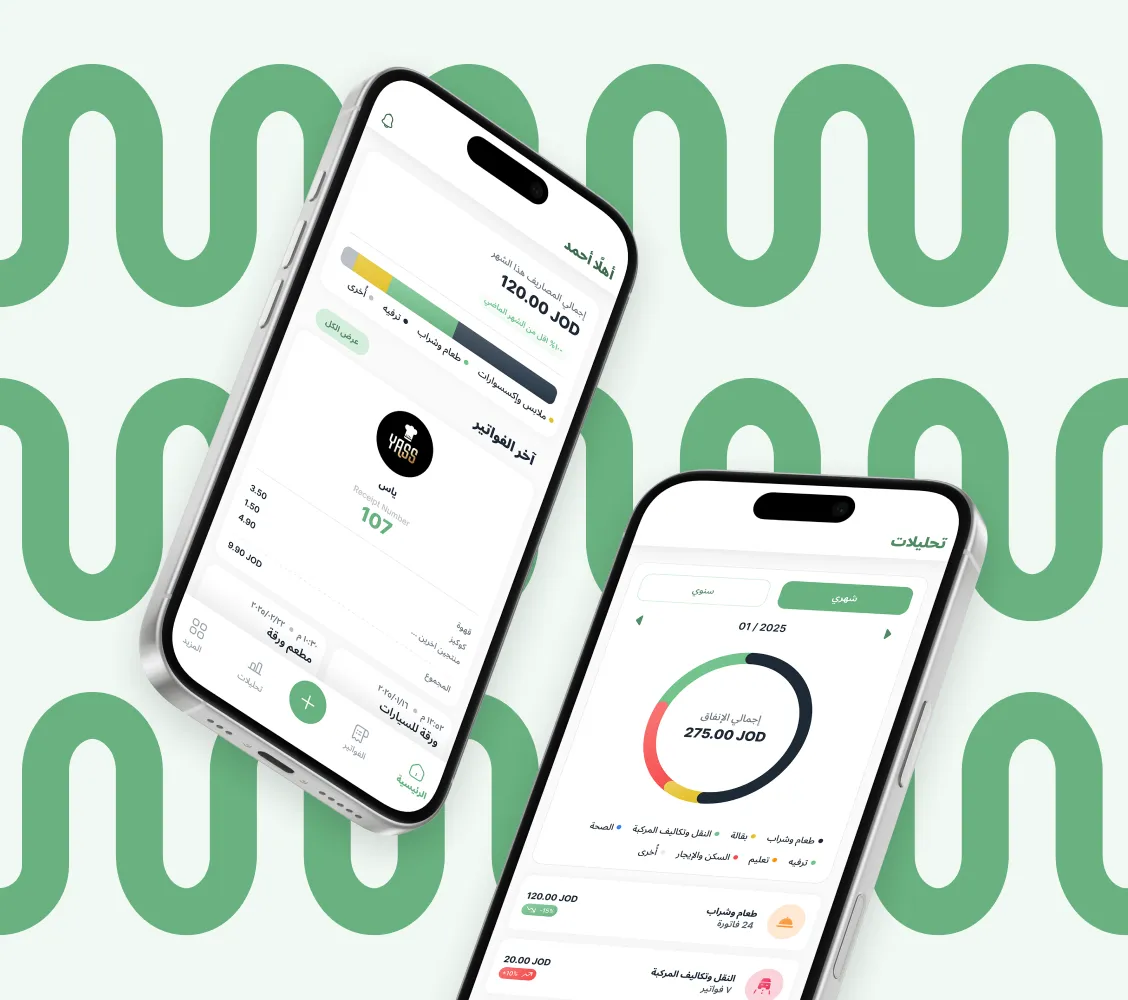
A single receipt feels insignificant. But multiply it by the billions of transactions happening every day, and paper receipts become a surprisingly large environmental burden. Here's what actually goes into that little slip of paper — and why going digital matters.
The hidden cost of a printed receipt
Every roll of thermal receipt paper carries a footprint most shoppers never see:
- Trees and water — receipt paper consumes millions of trees and billions of litres of water each year globally.
- It usually can't be recycled — most thermal receipts are coated with BPA or BPS, chemicals that contaminate the recycling stream. So they head to landfill.
- Energy and ink — printing every transaction burns electricity and consumables around the clock.
Why digital receipts are the better default
Digital receipts remove the paper entirely. Nothing is printed, so nothing is wasted:
- Zero paper, zero coating chemicals.
- A permanent record your customer can search instead of losing.
- Lower operating costs for the store — which is why sustainability and savings usually go together.
For a shopper, going paperless is effortless. For a store, it's a visible signal that you take your environmental responsibility seriously — something customers increasingly reward.
Small change, real difference
Switching to digital receipts is one of the easiest sustainability wins a store can make. There's no new hardware, no workflow overhaul, and the environmental savings begin with the very first sale.
Waraqa was built for exactly this: replacing paper receipts with digital ones that customers actually keep. Learn more about our mission, or get started and cut the paper out of your checkout today.